

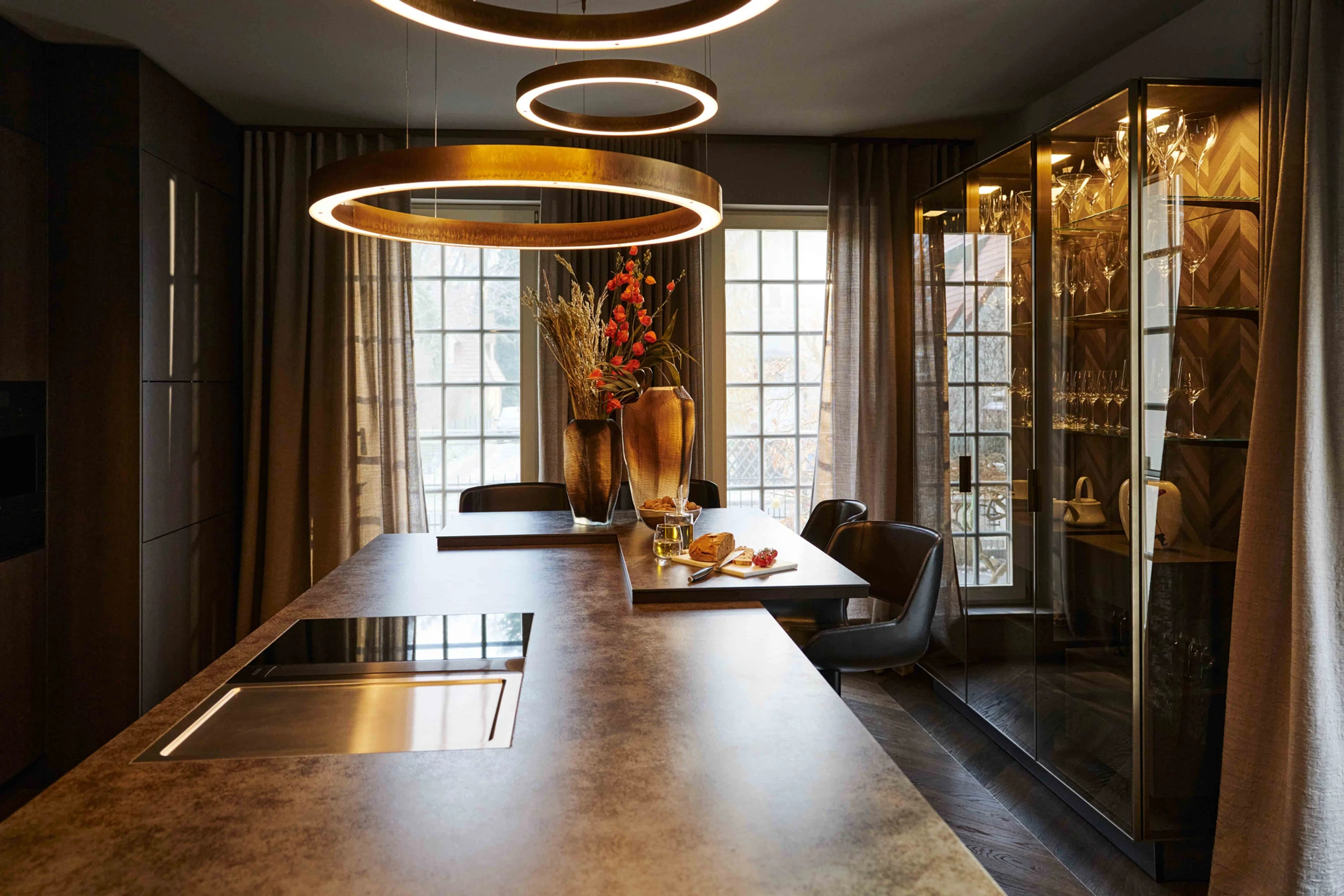
Lighting is one of the most essential elements in interior design. It can completely transform a space, influence the mood, and create focal points. The color temperature of the light plays a crucial role in how we perceive rooms and how comfortable we feel in them.
Light Color (Color Temperature):
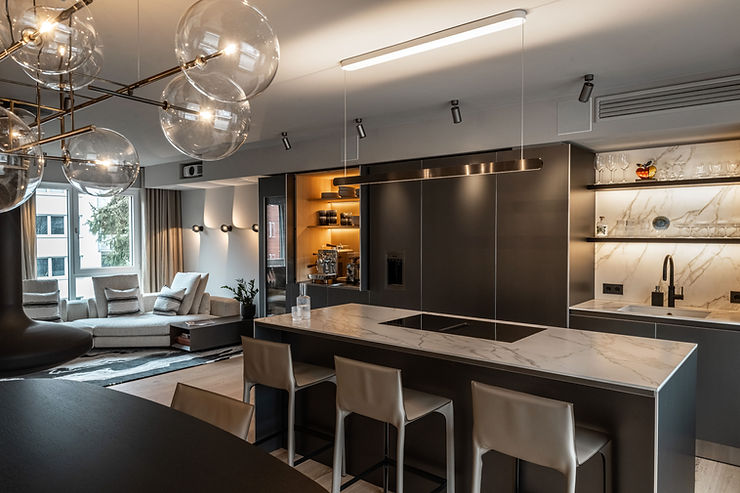
Measured in Kelvin (K), color temperature has a significant impact on the ambiance of a room. Light sources with a color temperature between 2700 and 3000 Kelvin are often recommended, as they produce a warm, cozy light that’s ideal for living areas, bedrooms, or restaurants where a relaxed, inviting atmosphere is desired. For workspaces or kitchens, a higher color temperature of 3500 to 4000 Kelvin may be preferable, creating a brighter, more focused environment.
CRI (Color Rendering Index):
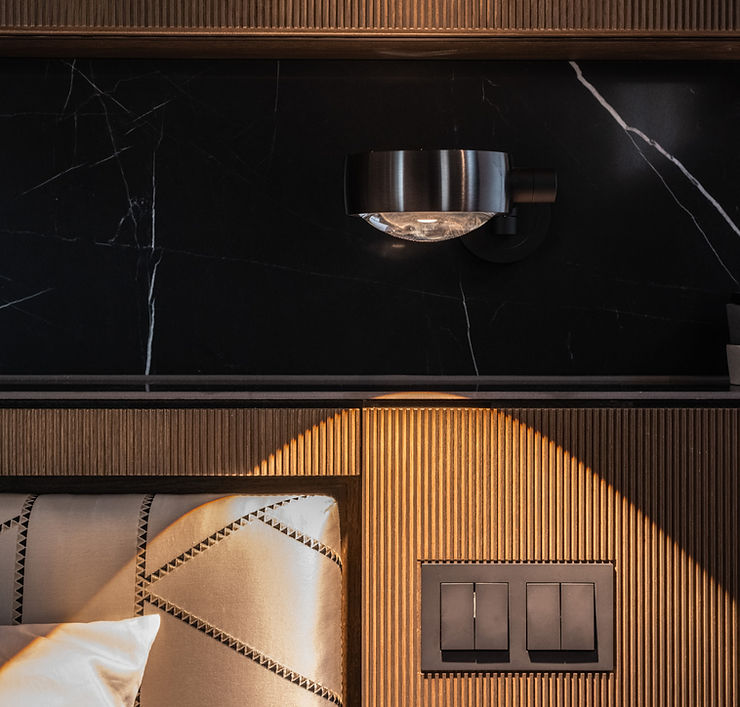
The CRI value indicates how well a light source renders colors in the space. A CRI value above 90 is ideal, as it ensures that materials and surfaces appear in their natural colors. This is particularly important in rooms where color plays a significant role, such as living rooms, art galleries, or spaces showcasing furniture.
Light and Shadow:
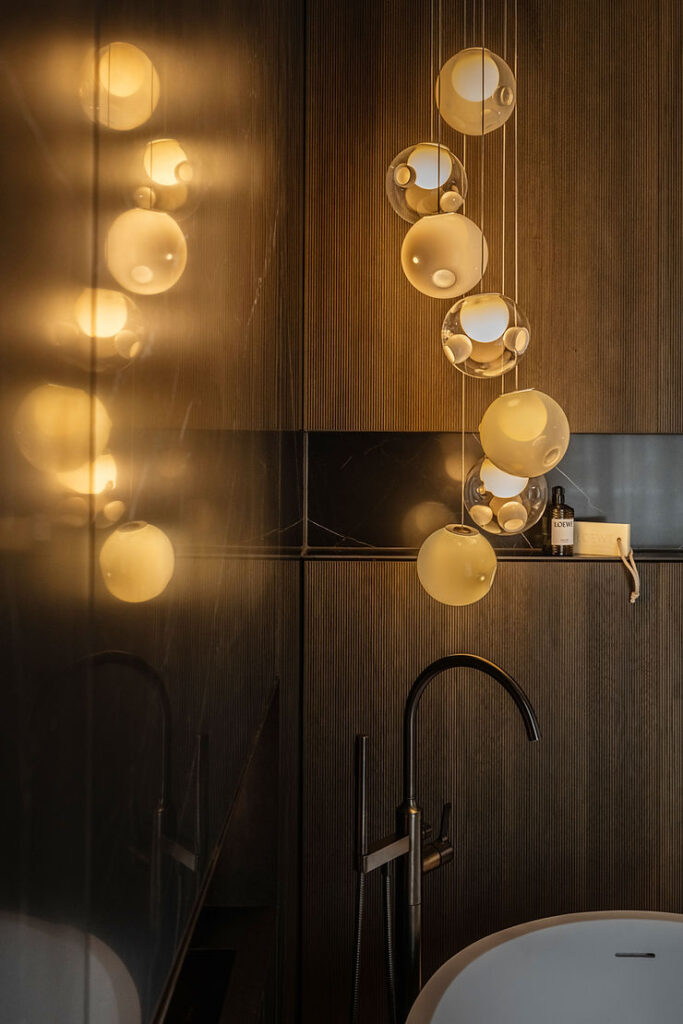
Light and shadow shape how we perceive spaces and can influence the structure of a room. They create depth, highlight certain areas, and direct the viewer’s attention. By placing light sources strategically—such as with spotlights or accent lighting—you can emphasize key areas. Indirect lighting can make a space feel larger and more calming, while direct lighting creates a sharper, more focused effect.
Placement of Light Sources:
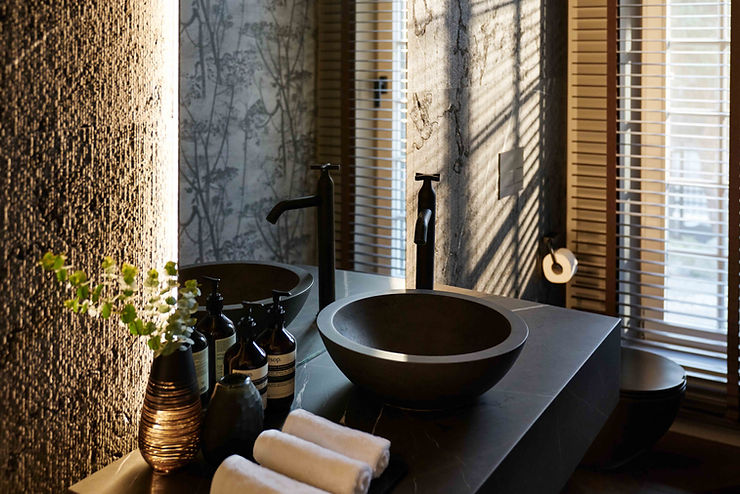
The placement of light sources is critical to achieving balanced lighting in a room. A mix of direct and indirect lighting helps create versatility in the space. General lighting provides overall illumination, accent lighting highlights specific areas, and task lighting—such as in kitchens or workspaces—serves a functional purpose.
Conclusion:
When planning lighting in a room, it’s essential to consider light color, CRI value, and the strategic placement of light sources. A well-thought-out lighting concept can optimize the look and feel of a room, making it both functional and atmospheric, creating a harmonious and cozy environment.